Most Brands Waste 90% of Their Content: How To Turn 1 Piece Into 10
(A survival guide for marketers who don’t have time to reinvent the wheel every single week)
One of the biggest myths in marketing, is that great content teams are constantly producing tons of brand-new ideas, all the time.
In reality, the best teams are doing something much smarter: they’re repurposing one strong idea into multiple formats that reach audiences further and in different places, platforms, and customer timelines.
Because here’s the truth: your audience isn’t sitting in one neat little corner of the internet waiting for your blog post or article to arrive. They’re scrolling LinkedIn on Tuesday morning, opening an email on Thursday afternoon, and watching an Instagram video Friday while pretending to work. Another factor that comes into play is the buyer journey. Anyone whose heard of the 95-5 rule knows that trying to target a potential buyer at a singular specific point in their journey is akin to throwing a dart blindfolded. As a reminder, 95% of buyers (or potential future buyers) are out-of-market at any given time. Brand matters because only 5% of buyers are in-market at that moment to make a purchase at any point in time. Strong brands are memorable in that they remain top-of-mind for buyers over time until their 5% timeline arrives, and your best chance at targeting audiences and strengthening your brand is by maximizing your existing content.
A single good piece of content shouldn’t live in just one place. It should travel and reach.
And the best way to maximize your reach, is through transforming one idea into many. Here’s how 1 core piece can become 10.
1. Start With Your Anchor Piece
Every content ecosystem needs a starting point. Usually, that’s a long-form blog post or article.
This is where the full story lives: the research, the insights, the vocab, the examples, the explanation. It’s the most complete version of the idea, elaborated and detailed for the reader. These pieces of long form content typically serve to help educate, inspire, or incite interest in the reader, offering intrinsic value.
Think of it as the source material for everything that comes next, the building block or “main dish” if you will.
A strong anchor piece answers a clear question, solves a real problem, or explains something interesting enough that people want to read on.
Once that exists, the rest becomes much easier.
2. Pull Out the Social Media Moments
Inside every blog post, article, or long-form piece of content are multiple smaller ideas just waiting to be pulled out and highlighted in their own ways, and in their own specific formats.
A strong quote can become a LinkedIn post.
A surprising statistic becomes a visual graphic.
A key takeaway becomes a short caption or thread.
Instead of posting the same link repeatedly, you’re turning the article into a series of small conversations, telling a story and taking your audience on a journey with each moment and post.
One article can easily become five or six social posts, each highlighting a different insight in a new and appealing way.
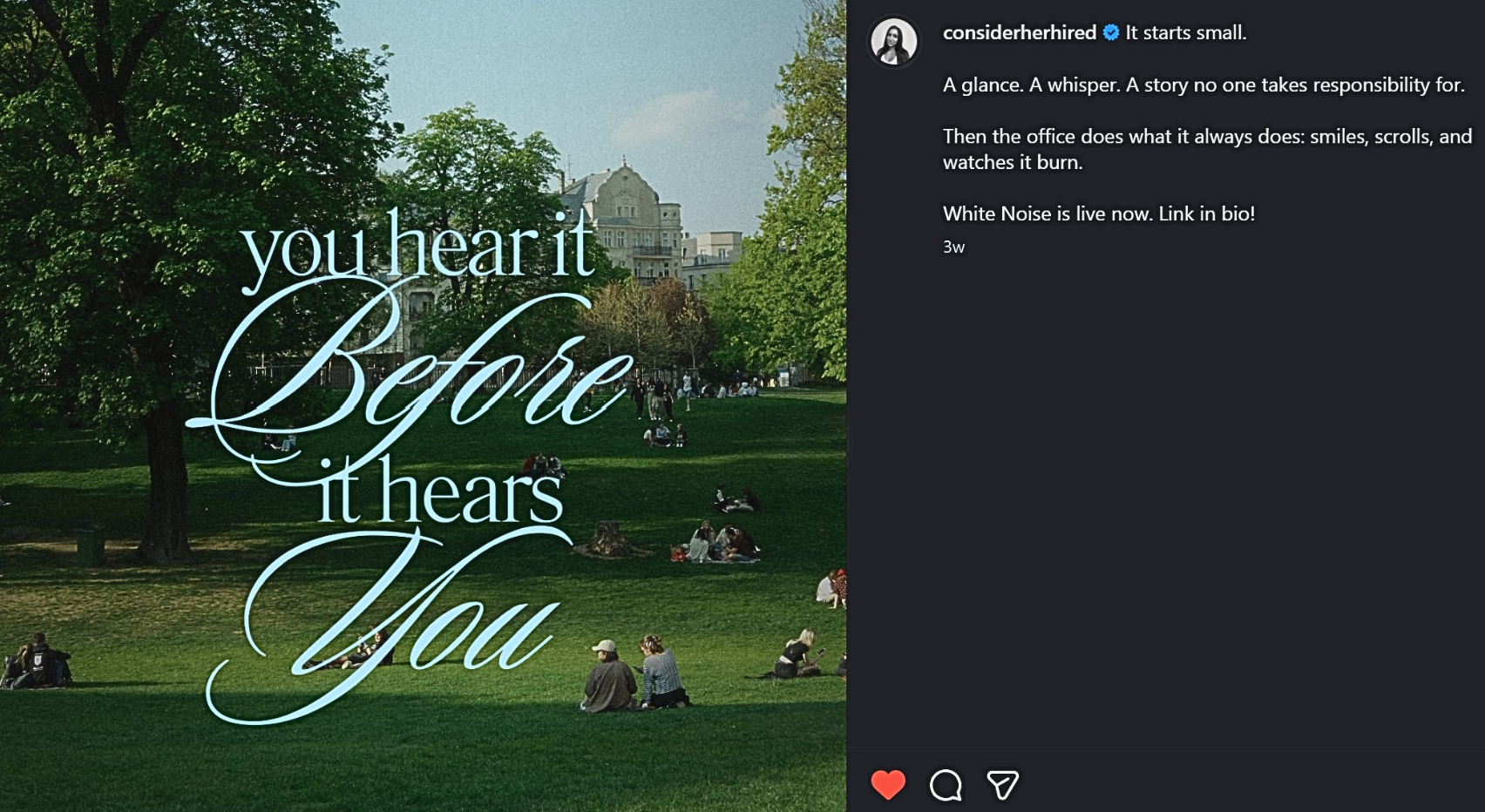
3. Turn the Insight Into an Email
Not everyone reads the full article. Not everyone clicks on a blog post. Some people prefer a quick explanation delivered directly to their inbox.
But remember that a great newsletter doesn’t just copy the article, it frames the idea differently. Reframing your insight into a newsletter and email format can provide a shorter-form piece of content that iterates your main dish perfectly, and in a new light.
Maybe you start with a short story. Or highlight the most surprising takeaway from the article. Maybe you reframe the blog post concept in three simple points and invite readers to explore the full piece to dig in deeper. This opportunity to not just summarize, but to explore different insights that you pull out of the original piece.
Now the same concept reaches a completely different audience, in a new and fresh way.
4. Make It Visual
Some people read. Some people skim. Some people learn visually. In fact most do, with approximately 65% of the general population being visual learners, making it the most common learning style (Jawed et al., “Classification of Visual and Non-visual Learners”). There’s a reason why the age-old saying remains, “a picture is worth a thousand words.”
That’s where carousels, infographics, or visual breakdowns come in.
Take the key steps, main insights, or primary lessons from your original long-form piece, and turn them into something that can be seen and understood in seconds. The visual component of maximizing your content is especially pertinent when it comes to the potency of visual content: Humans process images 60,000 times faster than text, and the average attention span of today’s modern consumer is now officially akin to a goldfish, giving you less than 8 seconds to grab a consumer’s attention & convey your value before they scroll on (McSpadden, “You Now Have a Shorter Attention Span Than a Goldfish”).
Daunting? Yes. But here’s where prioritizing the visual component of your Content Cheat Code is key.
An infographic can help teach certain audience members perhaps more than a full fledged article in that moment and on that platform. A carousel is especially powerful because it transforms a long explanation into a quick, scrollable experience. Visuals express more information in a faster, appealing way, and then that same idea from your long-form piece becomes easier to absorb and easier to share.


5. Bring It to Life on Video
Finally, take the core idea and explain it on video.
It doesn’t have to be complicated. Sometimes the best videos are simply someone walking through a concept in a clear, human way. This is also an opportunity to have fun with this type of medium (think fun bubbly font headlines for the video cover, or captions to help your audience follow along. Even on-brand or trending music to accompany the piece).
Video adds something written content can’t always deliver: tone, personality, and presence. A script isn’t even always necessary if you’re immersed in your brand tone/verbiage, and can allow for a less forced or structure vibe.
Video is also another format (that helps draws audiences on different platforms built more for this space) that has a high absorption rate. Video content generally outperforms visual graphics in engagement and conversion, while visual graphics are superior for speed of consumption and conveying specific, quick data points (Kane and Pear, “The Rise of Visual Content Online”). The audience who prefers watching instead of reading, and who may have been missed on a more visually-based platform, now gets the same insight in a format that feels natural and engaging to them.
The Real Secret
This process isn’t about creating more content. It’s about getting the most value from the ideas you already have. Utilizing one piece of content to create multiple different perspectives, insights, and highlights that continually route your audience back to your overall goal. This is the epitome of work smarter not harder, and avoiding quantity over quality.
One thoughtful piece of content can become:
• A blog post
• Multiple different social posts
• A newsletter
• A visual carousel
• A short video
• A conversation starter
Again, the goal isn’t volume. The goal is making sure a good idea gets multiple chances to reach the people who need it. And different platforms/audiences do require different content formats. Instagram/TikTok target younger users with visual/video content, LinkedIn is for professional B2B content and networking, YouTube is the known home for videos, and Facebook serves a broad, older demographic for community building. Selecting the right platform requires aligning your brand’s goals with the specific audience active on that channel, as well as curating the content’s format for that platform. Starting with one piece of content, then pulling more value in a variety of formats from that home base, is the easiest cheat code to maximize reach, engagement, connect to your audience on more than one level, and to ultimately work smarter, not harder, prioritizing quality while still ensuring more quantity than you began with in the long run.
Because in marketing, the smartest strategy is rarely simply creating “more.”
It’s making the most of what you’ve already created.